
Jesus footprints in the sand painting
Jesus Footprints in The Sand Painting
Many Catholics know the “Footprints” words by heart, or at least the feeling behind them: looking back over life and realizing that the Lord was closest in the hardest seasons. A Jesus footprints in the sand painting brings that memory into a room in a very simple way, through an image that gently reminds us that we are not walking alone.
A Jesus footprints in the sand painting is more than beach scenery on a wall. It quietly connects a familiar image with the daily reality of trusting God in ordinary life. The sand, the shoreline, and that single trail of steps often speak when words feel too heavy. I have had one version of this theme in my own home for years, and I’ve noticed that I rarely “analyze” it. Instead, I tend to glance at it in passing, maybe when I’m walking from the kitchen to the hallway, and I simply breathe a little more peacefully for a moment.

This page contains affiliate links. If you click and buy, I may earn a commission at no extra cost to you.
This kind of image doesn’t usually shout or demand attention. It simply stays there, like a steady friend in the background of a room. Many people place it near an entryway, in a living room, or in a quiet corner where they sit with a cup of coffee. For Catholics who like to pray with images, it can naturally become part of a home “path” of devotion, along with a crucifix, a Marian image, or a small table with a candle and a Bible.
The symbolism is simple: sand, steps, sea, and the quiet presence of Jesus, sometimes visible, sometimes just implied. It echoes the well‑known Footprints in the Sand text without needing to quote it word for word. The message is gentle: you are held, especially when you feel most tired or alone.
Why this image speaks to Catholic hearts
Many Catholic homes weave faith into daily life through simple objects: a rosary hanging from a nightstand, a saint medal on a keychain, or a print on the wall. A Jesus footprints in the sand painting fits that same pattern. It’s not something to turn into a showpiece. It’s more like a quiet reminder that the Lord walks with us in commutes, in laundry, in hospital corridors, and in late‑night worries.
When I first brought a footprints painting into our house, it was during a season when everything felt uncertain. Instead of putting it in a “perfect” place, I just set it on a shelf where I would see it going up and down the stairs. Over time, it became part of my daily rhythm. Some mornings, I would pause for a second, touch the frame lightly, and whisper, “Stay close today.” Nothing dramatic, just a short, honest plea.
For a lot of Catholics, prayer is like that: woven into ordinary movement rather than separate from it. Art that shows Jesus walking alongside us on the shore mirrors the way we hope He is with us in traffic, at the office, in school, or while caring for children or aging parents.
A simple visual prayer
A Jesus footprints in the sand painting can act almost like a visual version of a short prayer. You don’t need special words. You can just look at the image and quietly name what you’re carrying:
- a difficult medical appointment
- a strained relationship or family tension
- worries about money or work
- a child who seems far from the faith
- grief that comes and goes in waves
Some Catholics like to combine this image with a simple verse from Scripture, maybe something about trust or courage, and repeat it silently while looking at the painting. Over time, that repetition can shape the way a room feels: calmer, steadier, more rooted in God than in fear.
Placing a Jesus footprints in the sand painting in your home
Where to place a footprints painting depends a lot on the rhythm of your home. There is no “right” location, only places that make sense for the way you live, pray, and rest. Here are some thoughtful options many Catholics find meaningful:
1. Near your prayer corner or home altar
If you have even a very simple prayer space — maybe just a small table or shelf with a crucifix and a candle — a Jesus footprints in the sand painting can frame that area beautifully. It can remind you that prayer is a walk with the Lord, not a performance to impress Him.
You might place it:
- above a small shelf that holds a Bible and rosary
- beside an image of the Sacred Heart or the Holy Family
- near a comfortable chair where you sit to pray or journal
2. In an entryway or hallway
Hallways and entryways are natural places of transition: leaving home, returning, carrying the day’s burdens. Seeing the footprints of Jesus as you step out the door can be a quiet reminder to walk with Him through the day. Seeing them again as you come home can nudge you to offer everything that happened back into His hands.
In my own life, I’ve often paused at the bottom of the stairs, looked at our footprints image, and simply said, “Thank You for getting us through today,” especially on evenings when the day felt long and messy.
3. In a bedroom for night‑time trust
Some people find it comforting to hang a Jesus footprints in the sand painting in a bedroom, especially if nights tend to be anxious or restless. A quiet shoreline scene with the Lord nearby can gently support a habit of giving the day back to Him before sleep, and entrusting tomorrow before it even begins.
How this painting can support family life
Catholic family life is often busy and imperfect: school runs, sports, homework, parish events, and just trying to keep everyone fed and somewhat rested. A footprints image doesn’t solve any of that, but it can offer a shared visual language for trust.
For example, some families:
- stand briefly in front of the painting before leaving the house, saying one Our Father together
- use it as a starting point to talk with children about how Jesus is near when they’re afraid or lonely
- take a moment on Sundays to look at the painting and quietly remember the week together, with gratitude and honesty
One small tradition in our home has been to invite family members, especially during difficult seasons, to silently place a hand over their heart while standing near the painting and to think of one concrete worry. Then we simply say, “Walk with us, Lord.” After that, we move on with our day. It keeps faith close without turning the house into something heavy or formal.
Over time, these small gestures can help children grow up with a sense that Jesus is present in daily life, not just at Sunday Mass. The image becomes part of the “background language” of the household — subtle, but steady.
Living with a Jesus footprints in the sand painting over time
One of the quiet strengths of this kind of artwork is the way it ages with you. When life is going smoothly, it can simply be a peaceful shoreline on the wall. When the road suddenly becomes harder, the same painting can start to feel more personal, like a quiet promise that you’re not left to carry everything alone.
For me, the meaning of our footprints image changed after a particularly painful season involving illness in the family. I had walked past that painting hundreds of times. But during that season, I found myself stopping more often, sometimes with tears in my eyes, just standing there for a minute in silence. I didn’t expect answers. I just needed to remember that, even in confusion, the Lord was not distant.
That’s one of the gifts of a Jesus footprints in the sand painting: it doesn’t require you to be in a certain emotional place to “fit.” It’s there on days when you feel grateful and days when you can barely pray. You don’t have to explain yourself to it. You can simply bring what is in your heart and let the image accompany you.
Over the years, you may also notice that guests comment on it, often in very human ways: “I love that picture,” or “That reminds me of something I read a long time ago.” It can open gentle conversations about faith without pressure or debate, simply because it connects to common human experiences of feeling carried through hardship.
Thoughtful ways to use this image in prayer
Catholics pray in many different ways. Some prefer structured devotions, others lean toward silent presence. A Jesus footprints in the sand painting can support several simple, steady practices that don’t require special training or long blocks of time.
Short pauses throughout the day
One of the easiest ways to pray with this painting is to give it ten or twenty seconds as you pass by. You might:
- stop, inhale slowly, and exhale while silently saying, “You are with me”
- name one person who weighs on your heart, asking the Lord to walk with them
- offer one specific task of the day, such as a meeting, a hard conversation, or a medical test
These small pauses, repeated many times over months and years, quietly shape the way we carry our responsibilities. They don’t erase difficulty, but they keep us from carrying it alone in our own strength.
Evening reflection with the footprints image
At night, when the house is finally quieter, the same painting can help you look back over the day with honesty and trust. Some people like to sit where they can see the image and move through a simple pattern:
- Remember: What moments felt heavy, tiring, or confusing today?
- Notice: Where do you sense the Lord might have been closer than you realized at the time?
- Entrust: Gently place tomorrow into His hands, asking for strength for the steps ahead.
Doing this in front of a Jesus footprints in the sand painting can make the process feel less abstract. You are literally looking at an image of a path, a journey, a walk. It can steady the heart before sleep.
Praying for those who are struggling
Many of us carry intentions for friends or family who are going through deep waters: illness, addiction, divorce, job loss, or quiet depression. Standing in front of the footprints image, you might imagine that person walking along the shore with the Lord, even if they don’t feel it yet.
You can simply say something like, “Walk with them, Lord, especially where the sand feels heavy.” This prayer is simple and respectful; it doesn’t try to “fix” them. It just places them gently in God’s presence.
Different visual styles of Jesus footprints in the sand paintings
Not every Jesus footprints in the sand painting looks the same. The core idea is consistent, but the colors, lighting, and level of detail can vary a lot. Choosing one that fits you has more to do with prayer and personality than with decoration.
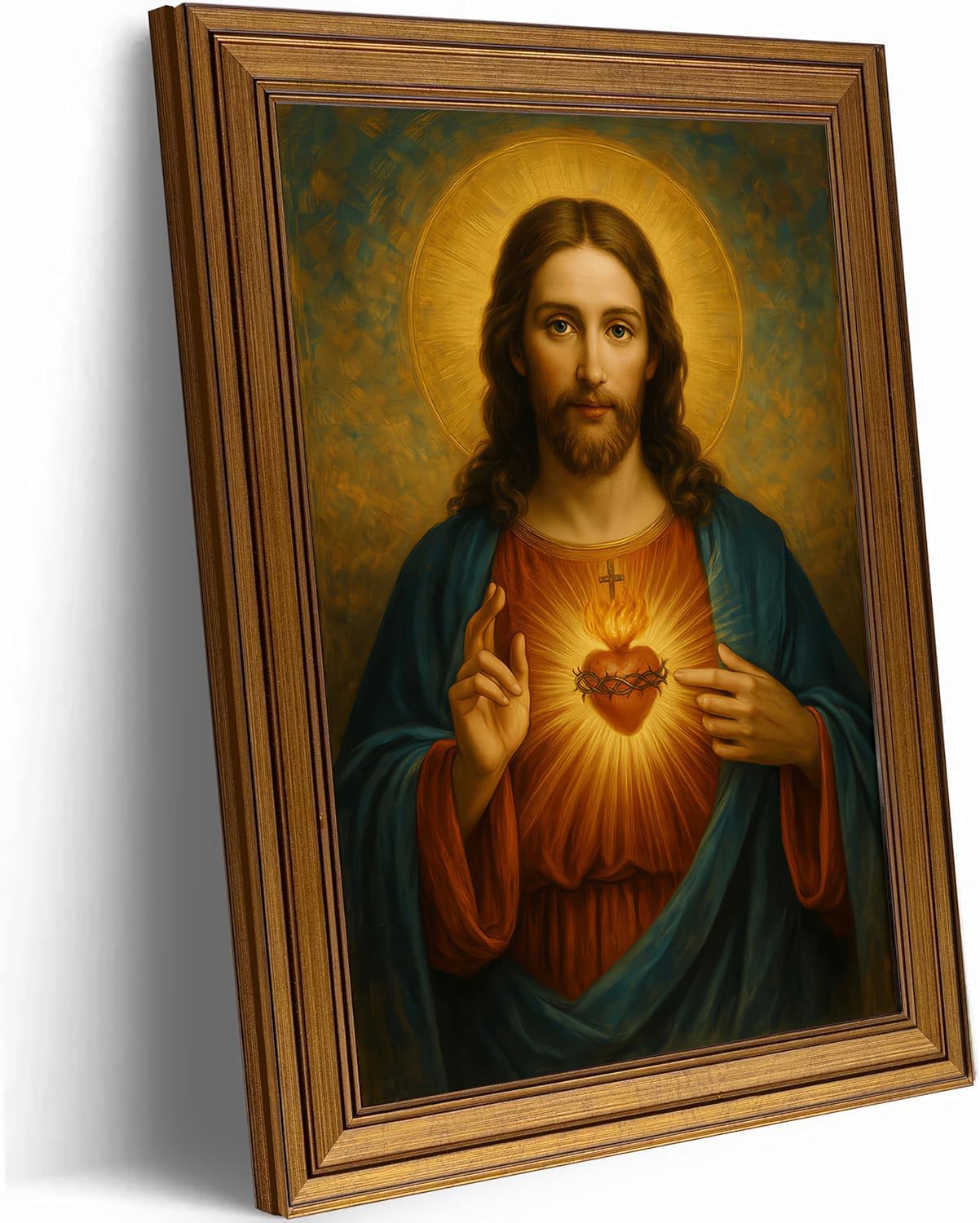


Some paintings are bright, with strong sunsets and bold colors. These can feel hopeful and uplifting, good for living rooms or family spaces. Others are softer, with muted tones and gentle light, perhaps better suited to bedrooms or quiet corners set aside for prayer.
Personally, I’ve always been drawn to more muted versions of the Jesus footprints in the sand painting. The calm colors help me breathe deeper and listen more. But others in my family prefer warmer, glowing tones that remind them of God’s light after a storm. There is room for both. What matters most is whether the image helps you turn your heart toward the Lord, however imperfectly, in the middle of ordinary days.